


ALPINKATZEN
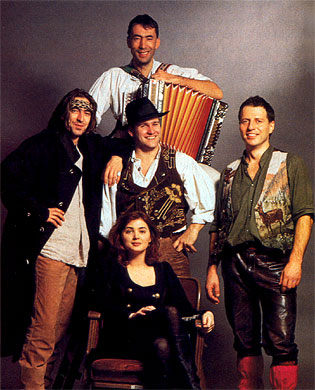
Hubert von Goisern und die Original Alpinkatzen
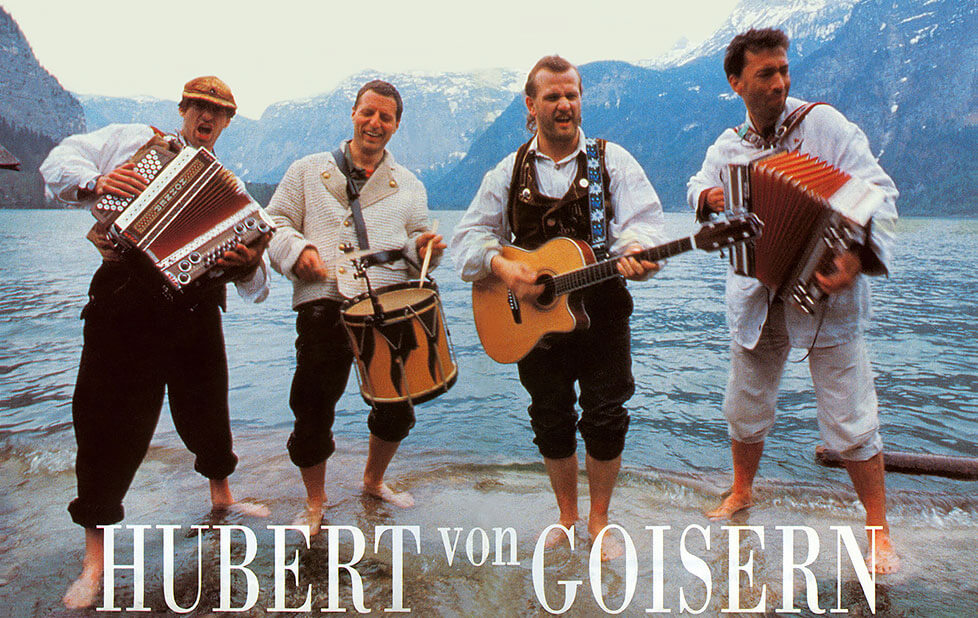
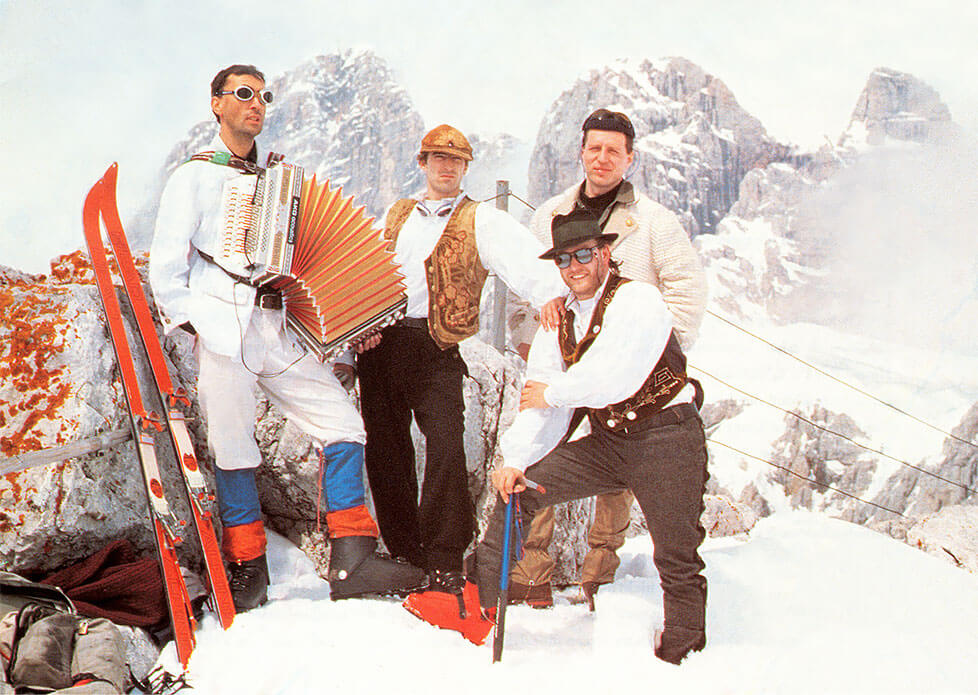
Pop und Gstanzl, Blues und Landler, Rock und Zwiefacher - das gibt's nicht? Von wegen! Bereits seit 1984 brechen Hubert von Goisern und die Original Alpinkatzen so ziemlich jedes musikalische Tabu. Es fällt nicht eben leicht, einen Schwerpunkt innerhalb ihres Schaffens auszumachen. Wenn überhaupt, ist es der Bereich volkstümliche Musik, der sich als roter Faden durch die Geschichte der Alpinkatzen zieht. Und gerade den Volksmusikpuristen dürfte dieses ein Dorn im Auge sein. Denn die österreichische Formation mischt zusammen, was es nur zu mischen gibt. Vor einem Hardrockjodler schreckt der Ösi-Trupp ebenso wenig zurück, wie etwa vor einem Dancefloorlandler.
Es gibt schlichtweg keinen Musikzweig, der von der mittlerweile vierköpfigen Band nicht berücksichtigt würde. So entstehen durchaus erstaunliche Symbiosen, etwa nach der Art eines Alpenreggae oder einen steirisch angehauchten House-Rock'n Rolls oder, oder ... Zu dieser wirklich einmaligen Mixtur konnte es nur kommen, weil sich mit dem Zusammenschluß der Interpreten einfach unterschiedliche musikalische Vergangenheiten kreuzten. Gründer und Kopf der alpinen Kater ist Hubert von Goisern.
Der musizierte dereinst in einer Blaskapelle seiner Heimat. Danach befaßte er sie mit der klanglichen Kultur exotischer Länder und widmete sich verschiedener Avantgarde-Projekte. Sein Lieblingsinstrument ist die "Steirische", ein Akkordeon der besonderen Art. Außerdem bedient er die Seitlpfeiff'n und das Beef-Horn. Perfekt ist Hubert aber auch an der Gitarre und als Sänger. Hochmusikalisch präsentieren sich ebenso Reinhard Stranzinger (Gitarre), Stefan Engel (Keyboards) und Drummer Wolfgang Maier. Und singen können sie auch.
Dabei kommt es bei den Alpinkatzen gar nicht mal so sehr auf perfektionistische Stimmbandvergewaltigung an. Viel wichtiger sind die Texte ihrer Lieder: Da ist man nun eh schon kräftig verwirrt ob der kompositorischen Melange, die einem die rockige Kapelle anbietet, und dann setzen die wirklich bissigen, ironischen und eigen Vokabeln noch einen drauf.
Wenn die Alpenkater auf der Bühne stehen, dann weiß das Publikum nicht, ob es jetzt beispielsweise zu einem Almen-Rap-Metal-Jodler die Rufe schwingen soll, oder lieber ruhig sitzen bleiben, um die Texte auf der Ohrmuschel zergehen zu lassen, oder beides, oder wie? Na ja, das ist wirklich alles ziemlich strange, was die Band um Frontmann Hubert von Goisern liefert.
Die Devise lautet: "Schräge Volksmusik unter das Volk streuen". Das war so bei den vergangenen Vinylpressungen, das ist so bei der neuesten LP, die da heißt Aufgeigen statt niederschiassen. Selten hörte man die Vereinigung von volksmusikalischen Roots und Rhythm 'n' Blues Elementen in einer solchen Authenzität. Da überzeugt darüber hinaus die technische Qualität des Produktes.
Für jeden ist etwas dabei. Für alle, die ihre anglo-amerikanischen Hörgewohnheiten nicht ablegen können, für alle, die der Volksmusik nicht abschwören können und für alle, die ihre hohen Qualitätsansprüche nicht runterschrauben können. Nur soviel sei garantiert: Alpinkatzen stehen für unverschämte Volksmusik, frei nach dem Motto "Ziehharmonika goes Rock 'n' Roll!"
Studio-Alben: 1992-94
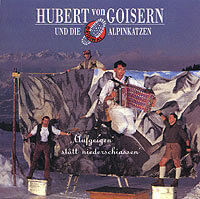
Aufgeigen stått niederschiassen

- 01. koa hiatamadl
- 02. wildschütz räp
- 03. heast as nit
- 04. benni
- 05. ich brauch keine $
- 06. kurt gib nicht auf
- 07. neu-ausseer
- 08. sepp bleib do
- 09. weit, weit weg
Von Wadlrock und Alpenblues
Interview mit dem österreichischen Alpenrocker Hubert von Goisern
Hubert von Goisern, Jahrgang 1952, ist zur Zeit der erfolgreichste österreichische Rockmusiker. Mit seiner CD Aufgeigen statt niederschiassen und dem Ohrwurm vom Hiatamadl hat er es auf über 100.000 verkaufte Exemplare gebracht. Volksmusik im Leinenkolorit: eine erstaunliche Mischung aus Alpenreggae, Blues, Gstanzln und RapMetalJodler. Letzte Woche trat der Alpenrocker in Meran auf.
Hubert von Goisern in Meran mitten in den Alpen, sind Sie ein Freund von Alpenglühen, oder ist das bloßer Kitsch?
Nein, ich steh total auf die Alpen, und ich finde, Kitsch kann nur etwas von Menschenhand sein.
Haben Sie bei Ihrer Musik zwischen Blues und Rock, Landler und Gstanzln nie das Gefühl, daß Sie die Tradition vergewaltigen?
Vergewaltigung werfen mir diese Leute vor, die nie und nimmer auf ihr Auto und ihren Kühlschrank verzichten würden und eine Veränderung in der Volksmusik, und sei es nur mit einem neuen Instrument, verurteilen.
Wie entsteht Ihre Musik, woraus schöpfen Sie?
Ich bin aufgewachsen mit der Volksmusik, bin dann zum Blues und Jazz und dem Funk und zur Avantgarde gekommen. Außerdem bin ich sehr viel herumgereist und hab' dabei einfach die Augen aufgemacht. All das fällt mir ein, wenn ich meine Texte und Melodien schreibe.
Man sagt, Sie seien auf und davon und haben längere Zeit auf den Philippinen gelebt. Sind Sie dadurch zu den eigenen Wurzeln und zur Volksmusik zurückgekommen?
Das stimmt, weil ich dort erlebt habe, was Volksmusik bedeutet. Dort hat es weder ein Radio noch einen Fernseher gegeben. Wenn ein Fest stattgefunden hat, haben einfach alle mitgesungen und keiner hat gefunden, oje, schon wieder die alten Nummern, da war das einfach nur Musik, egal ob die Lieder hundert Jahre alt waren. Mich hat das sehr beeindruckt, wie Leben, Texte und Melodien miteinander verbunden waren, und ich habe mir gedacht, Reste davon müßten doch auch bei uns aufzuspüren sein. Wie ich dann zurückgekommen bin, habe ich begonnen, mich auf die Volksmusik einzulassen, mit der ich eigentlich gebrochen hatte.
Gibt es Vorbilder, an denen Sie sich orientieren?
Es gibt viele Leute, die ich sehr schätze. Das geht von Mozart, Verdi, Puccini und Wagner bis zu Miles Davis, Fellini und André Heller.
Es gibt Stimmen, daß es schon bald eine Alpinoper von Ihnen geben wird?
Es gibt im Moment den konkreten Plan, einen Film zu machen, und wir werden sehen, ob dieselbe Story in eine Oper umgesetzt werden kann.
Marika Rökk hat gerade Geburtstag. Mögen Sie die Musik der 30er Jahre?
Es hat jede Zeit ihre guten, kreativen Menschen und ihre kulturellen Zwerge, die es trotzdem geschafft haben, ins Rampenlicht zu kommen. Ich mag Musical und Oper generell nicht besonders, aber ich weiß, daß meine Großmutter sehr auf die Rökk gestanden ist, und nachdem ich Oma sehr gemocht habe, hat sie dann auch mir gefallen.
Vom Großvater haben Sie die erste steirische Ziehharmonika. Waren die Großeltern von der Stunde Null an die allerersten Fans?
Ja, und wie, lange Zeit die einzigen. Der Großvater ist heute über neunzig Jahre alt, er hat mir seine Steirische geschenkt, weil er gesagt hat, ich bin zu alt, kann die Tasten nicht mehr drücken. Für mich war dieses Instrument immer in Verbindung mit irgendwelchen verstaubten Melodien, und ich habe sie fünf Jahre nicht angerührt.
Auch Jörg Haider kommt aus Bad Goisern. Was halten Sie von dem, und wo würden Sie sich politisch einordnen?
Für den Haider schäme ich mich, und ich kann nur hoffen, daß Gottes Wege seltsam sind und verschlungen und daß auch er eine Funktion in dieser Gesellschaft hat.
Verstehen Sie die Volksmusik als Rebellion gegen Macht und Herrschaft?
Muß es sein. Volksmusik kann einfach keine Beschönigung der
Fakten sein, sie muß das ausdrücken, was das Volk empfindet.
Den absoluten Durchbruch haben Sie mit dem Hiatamadl geschafft.
Haben Sie einen Wadlkomplex, mögen Sie Mädchen mit dicken Wadeln
besonders gern?
Diesen Refraintext hab nicht ich gemacht, das ist ein altes Volkslied aus einer Zeit, wo die Landbevölkerung immer ein bißchen in Richtung Stadt geschielt und sich vorgestellt hat, daß das Leben dort bequemer ist. Und weil das Gras auf der anderen Seite immer schöner scheint, hat man sich auch die Mädchen besser, draller und schöner vorgestellt.
Worin, glauben Sie, liegt der Grund für Ihren Erfolg?
Ich glaube, es ist das Wechselbad der Lieder. Daß die Leute nach Nummern wie Sepp bleib do oder dem Wildschützrap so erschöpft sind, daß sie richtig offen sind für etwas, wo normalerweise eigentlich die Ohren zugeklappt werden.
Welches Verhältnis haben Sie persönlich zur Musik, zum Jodeln?
Sicher ein erotisches, und grad das Jodeln ist eine Gesangsform, wo man nichts zurückhalten kann. Man kann nicht mit halber Kraft jodeln, das geht nur, wenn du aufmachst zack und gib ihm, das ist wie Atmen.
Wann und wo haben Sie jodeln gelernt?
Das war so vor fünf Jahren, da hab ich mir eine Kassette besorgt, weil mich diese Gesangstechnik fasziniert hat und alle, behauptet haben, jodeln kann man nicht lernen, dazu wird man geboren. Dann habe ich mir einen Jodler von den Noten und der Phonetik der Silben her abgeschrieben, meine Stimmlage herausgefunden, in der ich jodeln kann und drauflos geübt.
Sind Sie ein religiöser Mensch, glauben Sie an Gott?
Gott ist für mich nicht ein Mann mit Bart und Penis, Gott ist für mich eine Idee. Ich bin aus der Kirche ausgetreten, weil ich dieses maskuline Image von Gott nicht ausgehalten habe.
Hubert von Goisern, ein Luis Trenker der 90er Jahre?
Der Vergleich schmeichelt mir sehr. Die LuisTrenkerFilme haben mir immer gut gefallen, obwohl er mir schon sehr suspekt war, er hat nicht nur auf Bergmensch gemacht, sondern er war auch einer. Da bin ich ganz überzeugt.
Was halten Sie vom Trachtenlook?
Ich mag gern Kleidung, an der man eine regionale Identität sehr wohl erkennt, am liebsten trag' ich Leinengewand, aber seit dieser Trachtenboom ausgebrochen ist, habe ich meine Lederne an den Nagel gehängt.
Gehen Sie in Diskotheken, und wie halten Sie computergesteuerte Rhythmen aus?
Es hat eine Zeit gegeben, da bin ich sehr viel in die Disco gegangen und hab' mich da zu den allgemeinen Bedröhnungen weggetanzt. Ich tanze noch immer gern, aber es muß einfach Musik, wenn möglich von Menschenhand gemacht, sein.
Ihr ganz persönlicher Wunsch für die Zukunft?
Daß ich nie eine Kopie oder Karikatur von mir selber werde und daß ich menschlich bleibe und nicht abgehoben von Bühne zu Bühne, von Hotelzimmer zu Hotelzimmer sause.
Hubert von Goisern: Ein Gipfelstürmer geigt mächtig auf
Alpenrock aus dem Salzkammergut
Seine Platte Aufgeigen statt niederschiassen ist auf dem besten Weg, die Spitze der österreichischen LP-Hitparade zu stürmen. Zusammen mit den Original Alpinkatzen macht er "unverschämte Volksmusik". Immer mehr Jugendliche erwählen sich seine Lieder - wie beispielsweise das Hirtamadl - zu ihren Mitsing-Hymnen. Seine mitreißende Bühnenshow hat ihm in Deutschland den Titel "Mick Jagger des Salzkammerguts" eingetragen. Er heißt mit bürgerlichem Namen Hubert Sullivan. Bekannt wurde der "Volksrocker" allerdings unter seinem Künstlernamen. Dieser verrät, daß er aus einem Ort kommt, wo das Musizieren einen besonders hohen Stellenwert hat und gibt auch Zeugnis davon, daß sein Träger stolz auf seine Herkunft ist: Hubert von Goisern. Lang, lang ist's her, daß sich volksmusikalisch angehauchte Klänge aus dem Salzkammergut in den Gehörgänge des Ö3-Hitparadenpublikums eingenistet haben. Ziwui, ziwui hieß der Titel und Wilfried war der Interpret - auch ein gebürtiger Goiserer. "Von Wilfried unterscheidet mich, daß er seinen Weg nicht konsequent weiterverfolgt hat und heute vielleicht nicht mehr zu dem steht, was er damals gemacht hat. Aber er war ein wichtiger Wegbereiter für die modern aufbereitete Volksmusik", fällt Hubert von Goisern zu seinem "Vorgänger" ein.
Techtelmechtel mit Rauhbeinen
Die Musik, die den Alpinkatzen derzeit soviel Erfolg - die Platte liegt derzeit auf Platz zehn der LP-Charts - beschert, läßt sich nicht einfach beschreiben. Auch Hubert selbst tut sich schwer, einen gültigen Sammelbegriff für dieses Techtelmechtel zwischen der tief verwurzelten Volksmusik und den Rauhbeinen Rock, Funk, Blues und Rap zu finden. "Für meine Musik gibt es kein Rezept. Sie muß nachsingbar sein und ins Gmüat gehn. Aber heute ist alles verpönt, was schön ist. Je schräger, desto besser. Ich hingegen glaube, daß sich die Leute nur dem Schönen richtig öffnen. Was wir heute spielen, ist jedenfalls die Quintessenz aus dem, was ich in meiner Musikerkarriere erlebt und gelernt habe!"
Erlebt hat der 40jährige Vollblutmusikant wahrscheinlich schon mehr als die meisten seiner Altersgenossen. Die ersten Jahre seines Lebens verbrachte er in "Bädern": Geboren als Hubert Achleitner im Bad Ischler Krankenhaus, wuchs er in Bad Goisern auf und besuchte in Bad Aussee das Gymnasium. Doch seine Mittelschulkarriere war bald zu Ende, denn die Schule war ihm ein "Greuel". So mußten sich die Eltern den Wunsch, ihren Sohn Arzt werden zu lassen, bald aus dem Kopf schlagen.
Mehr Erfolg hatte der junge Hubert in der Musik. Schon früh stieg er zum Ersten Trompeter der Goiserer Bürgermusikkapelle auf. Ein Streit mit dem Kapellmeister um das Repertoire - Hubert hatte den vermessenen Wunsch geäußert, statt den antiquierten Potpourris In the Mood zu spielen - brachte ihm den Hinauswurf ein. "Sicher hat den Kapellmeister auch gewurmt, daß er wegen meiner langen Haare immer hämisch gefragt wurde, ob er denn seit neuestem auch Dirndln mitspielen lasse", grinst Hubert schelmisch.
Der Hinauswurf aus der Kapelle brachte es auch mit sich, daß Hubert seine Trompete zurückgeben mußte. So stieg er auf Gitarre um und gründete bald eine Band. Doch auch mit diesem Instrument machte er unangenehme Erfahrungen: "Wir haben im Garten geprobt, weil wir geglaubt haben, das gefällt allen Leuten. Doch die Kurgäste haben sich ungeheuer aufgeregt, sodaß die Gendarmerie eingeschritten ist", erzählt er.
Nach einer ersten, eher erfolglosen Plattenproduktion wanderte er schließlich im Alter von 22 Jahren nach Südafrika aus. "Ich habe einfach verschiedene Botschaften angeschrieben, denn ich wollte unbedingt von daheim weg. Als gelernter Chemielaborant bin ich in Südafrika untergekommen. Auf der Botschaft haben sie mich gefragt, was ich von Apartheid halte. Ich darauf ehrlich: "Apartheid? Nie gehört!" Somit war ich der ideale Kandidat!" Mit seiner Freundin, die er bald darauf heiratete, zwei Koffern und 10.000 Schilling Barschaft machte er sich auf zum Kap der Guten Hoffnung.
Nach dreieinhalb Jahren hatte er von der unmenschlichen Politik der Rassentrennung die Nase voll. "Ich stand vor der Entscheidung: Mitmachen oder in den Untergrund gehen. So sind wir nach Österreich zurückgekehrt!" Daheim angekommen, ließ sich das Paar scheiden. Hubert lernte eine Kanadierin kennen, heiratete sie vom Fleck weg und übersiedelte mit ihr nach Toronto. "Der Einfachheit halber habe ich ihren Namen angenommen. Drum heiße ich noch heute, obwohl ich schon längst wieder geschieden bin, Sullivan", lüftet Hubert das Geheimnis um seinen bürgerlichen Namen.
Erfahrungen bei den Kopfjägern
Nach zweieinhalb Jahren Musikstudium in Kanada begab sich der Goiserer, der nun in Salzburg lebt, auf eine längere Asienreise. Dort machte er jene entscheidenden Erfahrungen, die sein Leben verändern sollten: "Ich habe einige Monate bei den Kopfjägern auf den Philippinen gelebt und dort außer Nasenflöte spielen auch gelernt, was in der Volksmusik drinnensteckt. Die Leute haben mir ihre Volkslieder vorgesungen und ich ihnen die unseren. So haben wir uns blendend verständigt!"
Mit diesen Eindrücken im Gepäck reiste er nach Wien, um dort auszuprobieren, wie tief die Volksmusik aus dem Salzkammergut "einigeht". Sein Studium der experimentellen Musik verdiente er sich bei diversen Bands sowie mit Einzelauftritten in Bars und auf der Kärntner Straße. Dort entdeckte schließlich ein Manager einer Plattenfirma den Straßenmusikant und bot ihm und seinem Partner Wolfgang Staribacher einen Vertrag an. Das war die Geburtsstunde der Alpinkatzen.
Aus jener Zeit stammt auch Huberts Künstlername. "Wir haben uns bei den Auftritten so vorgestellt: "Das ist der Wolfgang aus Wien, und ich bin der Hubert von Goisern", weist er jeden Verdacht zurück, er könnte sich selbst einen Adelstitel verliehen haben. Das Duo hatte mit der LP, Tourneen und Fernsehauftritten relativ großen Erfolg. Trotzdem trennte man sich im Vorjahr.
"Die Grenzen niederreißen"
Seither geht es mit Hubert von Goisern und seiner neuen Band steil bergauf. Warum, das erklärt er so: "Die Mehrheit der Österreicher hat die Volksmusik im Blut. Unsere Musik gibt den Leuten die Möglichkeit, das zu hören, was sie eigentlich hören wollen. Vielleicht tragen wir damit ein bisserl zur Identitätsfindung der Österreicher bei. Dann können sie auch das Fremde leichter akzeptieren. Und weil heute überall die Grenzen fallen, ist die Zeit reif, sie auch in der Musik niederzureißen!" Huberts musikalische Mixtur weist zwei Ebenen auf: die Tradition und die Anarchie. "Das ist zwar ein Widerspruch, aber leben nicht alle wahren Dinge vom Widerspruch?"
Seine Eltern sind trotz allem mit der Berufswahl ihres Sohnes nicht recht glücklich. "Sie sagen, wenn sie gewußt hätten, daß ich Musiker werde, hätten sie mich nie ein Instrument lernen lassen", schmunzelt Hubert.
Schließlich zieht er eine Zwischenbilanz seiner Karriere: "Früher wurden die Leute blaß, wenn ich meine Steirische ausgepackt hab'. Da war ich der Zeit wahrscheinlich ein Stück voraus. Derzeit schwimme ich in einem riesigen Strom der immer populärer werdenden neuen Volksmusik. Die Zeit holt mich jetzt langsam ein; noch hat sie mich nicht - aber bald. Dann such' ich mir vielleicht was anderes!"
Ziehharmonika goes Rock 'n' Roll
 Wunder
gibt es immer wieder. Auch im knallharten Musikbusiness. Da ist ein Album über
ein Jahr auf dem Markt und springt dann erst plötzlich in die Charts.
So geschehen mit Aufgeign statt niederschiassn.
Monatelang haben Hubert von Goisern und seine Original
Alpinkatzen aus Österreich die Nachbarrepublik live beackert
- mit Erfolg, wie sich nun anhand von Plattenverkäufen zeigt.
Wunder
gibt es immer wieder. Auch im knallharten Musikbusiness. Da ist ein Album über
ein Jahr auf dem Markt und springt dann erst plötzlich in die Charts.
So geschehen mit Aufgeign statt niederschiassn.
Monatelang haben Hubert von Goisern und seine Original
Alpinkatzen aus Österreich die Nachbarrepublik live beackert
- mit Erfolg, wie sich nun anhand von Plattenverkäufen zeigt.
Die Fusion traditioneller Volksmusik mit modernen (Rock'n'Roll) Rhythmen kommt an. Was nicht verwundert, denn Hubert von Goisern hat im Laufe der Jahre reichlich musikalische Erfahrungen gesammelt, die er nun mit seinen Alpinkatzen umsetzt: Als Kind spielte er in der Goiserer Blaskapelle, ehe er sieben Jahre lang durch die Welt trampte, überall hinschaute und hinhörte, wie andere Völker mit ihrer traditionellen Kultur umgehen. Seine daraus resultierende Erkenntnis: "Ich will schräge Volksmusik unter's Volk streuen, volksmusikalische Roots mit Rhythm & Blues-Elementen zu einer authentischen Mischung verschmelzen - regionale musikalische Identität mit internationalen modernen Musikformen unter einen Hut bringen."
Als sein "Lieblingsinstrument" bezeichnet Hubert auch heute noch die "Steirische", ein spezielles Akkordeon, das den Sound seiner Combo maßgeblich prägt. "Ziehharmonika goes Rock'n'Roll" also, und dementsprechend sind "Almen-Rap-Metal-Jodler" angesagt, wenn die Alpenkater auf der Bühne stehen und sämtliche Konzertsäle zum Kochen bringen - zuletzt bei einer gemeinsamen Tour mit der bayerischen SPD-Vorsitzenden Renate Schmidt, als die mit österreichischer Hilfe versuchte, an potentielle Jungwähler heranzukommen. Wobei die Katzen die Politikerin eher blaß aussehen liessen. Nicht zuletzt auch wegen ihrer deftig-derben-ironisch-witzigen Texte, für die sich der Goisern Hubert die Kehle aus dem Hals singt.
Ein langer Atem zahlt sich aus, diese alte Branchen- und Binsenweisheit hat sich einmal mehr durch Herrn von Goisern bewahrheitet: Denn schon seit 1984 brechen die Original Alpinkatzen sämtliche musikalischen Tabus, und nach neun Jahren scheint ihnen der endgültige Durchbruch (auch nördlich des Mains) gelangen zu sein.