


AUSLAND
Hubert von Goisern in Mali: Warten auf Timbuktu
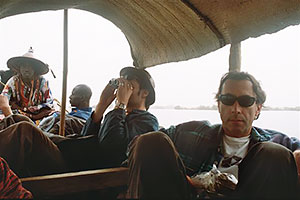 Mali
stand schon 2002 auf dem Zettel, zusammen mit Senegal, Burkina Faso,
den Kapverdischen Inseln und Elfenbeinküste. Aber man kriegt nicht
immer alles was man haben möchte, schon gar nicht in Afrika. Ausserdem,
wie sagte der Dalai Lama, "manchmal ist es gut wenn man nicht das
bekommt was man haben möchte." Oder wie heißt es ebenfalls
treffend in einem Lied der Stones?
Mali
stand schon 2002 auf dem Zettel, zusammen mit Senegal, Burkina Faso,
den Kapverdischen Inseln und Elfenbeinküste. Aber man kriegt nicht
immer alles was man haben möchte, schon gar nicht in Afrika. Ausserdem,
wie sagte der Dalai Lama, "manchmal ist es gut wenn man nicht das
bekommt was man haben möchte." Oder wie heißt es ebenfalls
treffend in einem Lied der Stones?
"you can't always get what you want,
but if you try some, you get what you need."
Ende 2004 habe ich also bekommen was ich gebraucht habe: eine Einladung zum Festival au Desert 2005, nordwestlich von Timbuktu, Anfang Jänner 2005. Dabei wollte (und will) ich mich 2005 und 2006 zurückziehen und ausklinken aus allem was man unter "Öffentlichkeit" versteht. Andererseits, zum Abschluss einer 5 Jahre dauernden Tournee- und Produktionsphase, in der Wüste von Essakane ein letztes mal meine(?) Musik zu spielen war zu reizvoll, und ich kann ja nach dem tibetischen Kalender gehen, wo das neue Jahr erst im Februar beginnt...
Wenn Afrika dich einmal hat lässt es dich nicht mehr los.
Afrika - Wiege der Menschheit - Anfang von allem;
und auch Ende, denn das Ende der Welt so sagt man, sei in Timbuktu.
Afrika - das ist wie eine große Liebe, die oft nicht erwidert wird (jedenfalls scheint es mir so); eine Prüfung für die Standhaftigkeit meiner Ideale und Träume, meiner Utopie von einer globalen, solidarischen, respektvollen Gesellschaft.
Immer dann, wenn ich mich am Ende meiner Liebesfähigkeit wähne: Geschenke. Auch das ist Afrika.
Ich will aber keine Geschenke, ich will Gerechtigkeit. Ich bin auch gegen jene "Geschenke" die nach Afrika gehen, in Form von Waffen, Krediten, Entwicklungshilfen usw. - Ich bin nicht generell gegen Geschenke, aber wenn das Verhältnis nicht ausgeglichen ist, wird der Beschenkte sein Selbstwertgefühl verlieren - er wird beschämt und erniedrigt.
Wir(?) brauchen nur angemessene Preise für jene Ressourcen zahlen, welche diesem Kontinent (und anderen 3. Weltländern) täglich gestohlen werden.
Mit dem Kolonialismus und der Missionierung ist es wie mit dem Dritten Reich. Man schämt sich für andere.
Afrika - von Abenteurern, Betrügern und Menschenhändlern auserwählt, ausgebeutet und ausgeblutet. Im Namen Gottes - Allahs wie Christus'. Buddha kam (noch) nicht bis Afrika. Oder doch?
Europa/München - Am Flughafen, Air-France sind die ersten, die die Hand aufhalten. Wir sind 11 Passagiere und haben etwa 8 kg pro Person zu viel. Alles diskutieren hilft nichts, wir müssen, trotz ursprünglicher Zusage für Instrumente und Equipment kein Übergepäck bezahlen zu müssen, €1400,-- löhnen. Ich stelle die Möglichkeit in den Raum umzukehren. Betretene Gesichter bei meinen Mitreisenden. Ich zahle. In Mali erfahre ich von Urlaubern(!), sie hätten, ebenfalls bei Air France, nur € 10,- pro kg bezahlen müssen. Erinnerungen an meine Westafrika Tournee 2002 kommen hoch. Auch damals kein Entgegenkommen für Musiker - im Gegenteil. Der Gedanke drängt sich auf, man ist als nichtfrankophoner Künstler unerwünscht im Hoheitsgebiet der grande Nation. Denn als solches betrachtet man West Afrika von Paris aus. Kein schöner Gedanke, also schieb ich ihn zur Seite, dort lauert er auf die nächste Gelegenheit.
Als wir endlich im Flieger sitzen hab ich ein ungutes Gefühl. Ich hoffe, dass es keine Ahnung ist sondern nur Angst. Ich überwinde sie. Es ist der tägliche Konflikt mit dem Sicherheitsdenken, der Bequemlichkeit, der Lethargie...
Nach zwei Gläsern Rotwein bin ich schicksalsergeben und spüre nur mehr das Kribbeln des Abenteuers das vor mir liegt. Es mag kommen was kommen muss, inshallah - dein Wille geschehe!
Während wir in der untergehenden Sonne über die Iberische Halbinsel gleiten sehe ich am Bildschirm vor mir Che Guevaras Motorcycle Diaries - auch hier: trotz Unbill und Widrigkeiten überwiegt die Freiheit des Unterwegsseins. So soll es sein.
Als wir über Marakesch fliegen ist der westliche Horizont nur mehr ein unendlich langer, dunkelroter Strich über dem scheinbar bewegungslos das Flugzeug hängt. Schwerelos wie meine Gedanken.
Nächster Morgen - Bamako - Lärm, Staub, Schmutz, Hitze, Verkehrsstaus ohne Ende. Aber alle wirken entspannt. Ich nehme mir ein Beispiel, verlangsame meine Schritte und auch mein Denken.
Als erste Hürde gilt es, den Transport nach Timbuktu und weiter bis zum Festival zu klären. Trotz telefonischer und auch schriftlicher Abmachungen ist alles anders. Der Organisator, Mohamed Ali Ansar, stellt eine Rechnung, die in die tausende Euro geht. Das Festival hat kein Geld, Sponsoren seien abgesprungen, die Kosten explodiert usw. Wir sind in Afrika, alles ist verhandelbar, jeder versucht so gut es geht in seine Tasche zu arbeiten.
"Alles Wegelagerer und Strauchdiebe." Behauptet ein Europäer, der seit 25 Jahren in Mali lebt. Warum er dann noch da sei, frage ich ihn. Es gäbe kein zurück mehr für ihn. Das gibt's für niemand. Wir müssen alle immer wieder den Mut fassen nach vorn zu blicken und nach vorn zu schreiten, und etwas hinter uns lassen - manchmal das Ende selbst.
Unehrliche Menschen gibt es überall, in jedem Volk, in jeder Bevölkerungsschicht. Wer sagt, dass arme Menschen ehrlicher sind als reiche, der belügt sich selbst.
Es ist nicht unehrenhaft, jemanden über den Tisch zu ziehen. Respekt verschafft man sich durch zähes Feilschen. Aber ich bin erst angekommen, der Klimawechsel, die Malariaprofilaxe, der Schlafmangel ... und ausserdem mag ich nicht Handeln, es ist in meinen Augen unwürdig, mehr als notwendig zu verlangen oder weniger als verlangt zu zahlen.
Ich bin fahrig und erschöpft. Müdigkeit und Desinteresse umhüllen mich. Ich spüre und sehe es in den Augen von Ali, dass er mich auflaufen lässt. Er weiß, ich bin zu weit gekommen um jetzt umdrehen zu wollen. Was soll ich machen? Ich will spielen. Und morgen geht der Flug nach Timbuktu. Ich muss mich schnell entscheiden, und so rede ich mir ein, dass schon alles seine Richtigkeit haben wird, dass es auch in Afrika eine karmische Gerechtigkeit gibt, oder so was in der Art. Ich zahle.
---Einen Tag später. Eigentlich sollten wir schon in der Luft sein, aber in der Nacht kam ein Sandsturm auf. Es ist 10h morgens. Ich habe die Malariaprofilaxe abgesetzt und fühle mich besser. Wir hängen in der Hotellobby herum mit unseren Instrumenten und allem was man zum Übernachten in der Wüste braucht; Wasserbehälter, Schlafsäcke, warme Kleidung, Taschenlampen etc.
Nachmittags soll es aufklaren. Wir fahren zum Airport und checken ein.
Es wird nur unmerklich besser mit dem Wind und Sicht und der kirgisische Pilot weigert sich abzuheben. Es wird hektisch telefoniert, denn irgendein Regierungs-Beamter der auch mitfliegt, findet das alles nicht so schlimm und versucht über irgendein Ministerium Druck auf den Piloten auszuüben. Bilder vom Flug der Phönix schießen durch meinen Kopf. Der Pilot entzieht sich weiterer Diskussionen indem er einfach nach Hause fährt. Ich mag ihn.
Ein neuer Tag, ein neuer Versuch. Diesmal klappts. Mit uns im 30 sitzigen Flugzeug Habib Koite mit seinen Musikern. Sollten wir über der Wüste abstürzen, könnten wir im Nirvana eine super Session anreissen. Die Maschine ist übervoll. In den Ablagen und am Gang zwischen den Sitzen türmen sich Gepäckstücke und Instrumente. Die russische Flugbegleiterin klettert trotzdem geschickt mit ihrem Tablett über alle Hindernisse und serviert heissen Tee und Kaffee. Einer der wenigen Europäer bittet mit britischer Höflichkeit um Kräutertee, den es natürlich nicht gibt. Derselbe wird später im Wüstencamp gesehen wie er sich, ebenfalls vergeblich, um vegetarisches Essen bemüht.
Nach eineinhalb Stunden Flug durch einen rot-gelben Himmel über einer rot-gelben konturlosen Landschaft, rumpelt das Fahrwerk über die Landebahn von Timbuktu.
Nach einer weiteren Pack- und Stapelorgie geht es mit Jeeps weiter. Vorher gibt es noch Diskussionen mit den Fahrern, die das vom Festival-Management bereits in Bamako von uns kassierte Geld für ihre Dienste haben wollen. Am nächsten Tag erfahren wir, dass man auch sie geprellt hatte. (Geteiltes Leid ist halbes Leid heißt es - und da ist was dran)
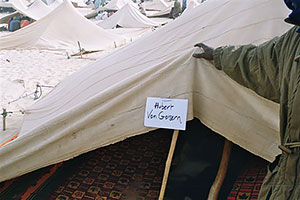 Die
70 km lange Fahrt ist ein Erlebnis für sich, es gibt keine Strasse,
nur eine Piste und manchmal nicht einmal das. Der Landcruiser wühlt
sich durch Treibsand, springt über Dünen, knallt in plötzlich
auftauchende Löcher, gepeitscht von Dornengestrüpp rasen wir
vorbei an vereinzelten Kamelen, Ziegenherden und Hirten. Um 14h sind
wir am Ziel. Mitten in den Dünen steht eine sandfarbene Zeltstadt
und etwas abseits davon die Festivalbühne. Wir fragen uns durch
bis sich jemand unserer annimmt und die Schlafplätze zuweist, 2
Zelte in denen je 4 (bequem) bis 5 (unbequem) Personen schlafen können.
Wir sind aber 12! Dann die nächste "Watschen", obwohl
für den nächsten Tag geplant, und auf allen Ankündigungen
ebenso kommuniziert, sollen wir in 5 Stunden spielen, um 19h.
Die
70 km lange Fahrt ist ein Erlebnis für sich, es gibt keine Strasse,
nur eine Piste und manchmal nicht einmal das. Der Landcruiser wühlt
sich durch Treibsand, springt über Dünen, knallt in plötzlich
auftauchende Löcher, gepeitscht von Dornengestrüpp rasen wir
vorbei an vereinzelten Kamelen, Ziegenherden und Hirten. Um 14h sind
wir am Ziel. Mitten in den Dünen steht eine sandfarbene Zeltstadt
und etwas abseits davon die Festivalbühne. Wir fragen uns durch
bis sich jemand unserer annimmt und die Schlafplätze zuweist, 2
Zelte in denen je 4 (bequem) bis 5 (unbequem) Personen schlafen können.
Wir sind aber 12! Dann die nächste "Watschen", obwohl
für den nächsten Tag geplant, und auf allen Ankündigungen
ebenso kommuniziert, sollen wir in 5 Stunden spielen, um 19h.
Ich bin zu erschöpft um Widerstand zu leisten. Also gehen wir ans Werk und bauen auf. Die Anlage ist derart desolat, dass wir nur mehr Schadensbegrenzung betreiben können. Es grenzt an ein Wunder, dass meine Techniker, Spani, Balou und Hannes, den Krempel zum Spielen bringen.
Das Konzert selber dauert eine Stunde. Es brummte, zischte, knatterte und krachte in einem fort, irgendwas fehlte immer, setzte zwischendrin immer wieder aus, mal der Bass, dann die Stimme oder die Zieharmonika, wir hörten uns gegenseitig so gut wie überhaupt nicht und ich brauchte alle meine Konzentration um die Band zusammenzuhalten. Ich konnte es beim besten Willen nicht genießen. Es war zum Davonlaufen.
Später in der Nacht liege ich im Sand und blicke zu den Sternen. Es ist derselbe Himmel wie zu Hause, nur ein anderer Ausschnitt, es ist die selbe Welt, nur ein anderer Kontinent. Die Frage, was ich hier soll, stellt sich gar nicht. Ich bin da. So ist es. So soll es sein. Basta!
Am nächsten Tag nütze ich die Zeit mich umzuhören und -zuschauen. Leute kommen auf mich zu, sprechen uns an, Tuaregs wie Europäer, um sich zu bedanken und zu gratulieren. Sie fanden die Musik wunderbar, und auch den Sound(!) - unfassbar, es soll der beste des ganzen Festivals gewesen sein.
Hab ich überhaupt das Recht unzufrieden zu sein?
Ja, genauso wie ich das Recht habe mit meinem Kopf gegen eine Wand zu rennen. Es kommt nur nichts dabei heraus, ausser einer Beule.
Bei einem Interview für Mali-TV halte ich dennoch meine Kritik an der Organisation nicht zurück. Aber ich bin Gott sei Dank nicht der Einzige dem das Festival verdächtig ist. Die amerikanische Sängerin Dee Dee Bridgewater sowie Malis Superstars Ali Farka Toure und Salif Keita sind, obwohl groß angekündigt, gar nicht erst angereist. Dennoch wirbt man schamlos bis zuletzt mit ihren Namen.
Nur Marlene, meine Geigerin, ist vorbehaltlos begeistert. Aber das liegt vielleicht daran, dass wo immer sie auftaucht ihr ein halbes Dutzend Tuaregs zu Füssen liegen, einer trägt ihre Tasche, einer die Geige, einer bringt ihr Essen...
Höhepunkt des letzten Abends ist Desert Blues, eine Art Mali Allstar Band um und mit Habib Koite. Musik, wie die Landschaft aus der sie wuchs - weiche, repetative und doch immer leicht veränderte, endlos scheinende Melodiebögen, mit selbstverständlicher Virtuosität und musikalischer Lust vorgetragen.
Nächsten Morgen, zu Sonnenaufgang brechen wir die Zelte ab und zurück geht's durch die orientierungslose Landschaft nach Timbuktu.
Am Flughafen konfrontiert mich Ali Ansar mit einer zusätzlichen Forderung. €200,- seien noch für Sprit zu zahlen. Jetzt reisst mir der Faden. Ich hol mir einen Dolmetscher und lasse wiederholt übersetzen, dass ich ihn für einen Betrüger halte, für unehrlich und inkompetent, und dass er dem Festival, seinem Land und seinem Volk Schande bereite...
Ohne Widerrede verzichtet er auf weiteres Geld, meint er sei zu erschöpft um weiter diskutieren zu wollen, hat plötzlich Kopfschmerzen und zieht schmollend von dannen.
Als wir wenig später über das Rollfeld zum Flieger gehen, steht er wieder da, streckt mir lächelnd die Hand entgegen, bedankt sich und wünscht mir eine gute Reise. Erstaunlicherweise entkommt mir ein leichtfüssiges "au revoir". Auf wiedersehen?
---
Bamako - ich liege am Bett und lausche. Strassengeräusche, Schafblöken,
das Surren der Klimaanlage, ein Zug fährt vorbei..., in meinem Herzen
Enttäuschung, in meinen Gliedern Erschöpfung, in meinem Kopf
Verständnislosigkeit. Als wir die klimatisierte Flughafenhalle in
Bamako betraten sagte der Bassist der Desert-Blues Band,
also ein Hiesiger: "back to civilisation, thank God!" Ich teile
seine Erleichterung nicht. Ich wäre gerne noch oben in der Wüste
geblieben. Aber wir haben ja noch drei Tage in Mali. Das kann's noch
nicht gewesen sein. Genervt schalte ich die Aircondition aus und steh
auf. Als ich durchs Fenster auf die Strassenhändler blicke habe
ich eine Idee, d.h. eigentlich zwei. Ich rufe die Telefonnummer des österreichischen
Konsuls.
Wenig später an der Bar, über einem Glas Pastice, bitte ich
ihn, einen Club zu organisieren in dem wir spielen könnten, ohne
Gage, nur für Essen und Trinken, übermorgen abend. Und - ich
möchte Kele Tigi treffen, den genialen Balafonspieler und ausgezeichneten
Geiger. Er war mir schon am Festival aufgefallen, beim Rückflug
saßen wir nebeneinander und tauschten ein paar Worte aus. Er lebt
in Bamako und ich möchte ihn bitten mitzuspielen.
Am nächsten Morgen begeben wir uns auf die Suche. Wir fragen uns durch bis zu seinem Haus. Wir reden ein bisschen über Tonarten und Stimmungen der Instrumente. Beide, sein Balafon wie auch meine Zieharmonika, sind diatonisch. Ich beginne einen Steirer zu spielen - er spitzt seine Ohren, hört eine Weile zu und fängt dann an, aus dem Nichts die verrücktesten Sachen dazuzuspielen, es klappt wie im Traum. Er erklärt sich bereit am nächsten Abend in's "Akwaba" zu kommen und fragt ob es denn eine Gage gäbe, er hätte 40 Leute zu ernähren. Ich verneine, wir bekämen ja auch nicht bezahlt, versprach aber, mir etwas einfallen zu lassen.
Es wurde ein wunderbarer Abend. Sogar Mali-TV kam vorbei und zeichnete das Konzert auf. Und als wir Kele am Ende einen Hammel als Geschenk überreichten, den er, angebunden an sein Instrument, im offenen Kofferraum seines Taxi mit nach Hause nahm, löste sich die letzte Spannung. Endlich so was wie Einklang und Harmonie mit dem Land, in dem wir bereits seit 10 Tagen unterwegs waren.
Nach einer sehr kurzen Nacht ging es ans Packen und Abschiednehmen.
Das Abschiedsessen fand in einem Restaurant mit Live-Musik statt. Und da passierte unverhofft das, wovon ich immer geträumt hatte. Wir waren gerade am Zahlen und Aufbrechen, als völlig unspektakulär und fast nebenbei eine unglaubliche Band zu spielen begann. Sie spielten einen Blues wie ich ihn noch nie gehört hatte und der doch gleichzeitig so vertraut war und mir aus der Seele sprach. All meine Ängste, Hoffnungen, Freuden und Verzweiflungen wurden zu Tönen. Ohne nachzudenken packte ich noch ein letztesmal meine Zieharmonika aus, stellte mich zum Mikrofon und umarmte singend und tanzend die ganze Welt.
Au revoir - ich komme wieder!
Hubert von Goisern
P.S.: Sand oder Schnee, Dünen oder Gletschereis - Tuaregs oder
Samen, Kamele oder Rentiere, Hitze oder Kälte - alles hat ein Gegenüber
und ein Zugleich. Alles ist rhizomatisch - wirr aber zusammenhängend,
einander verbunden.
Auch im Eis des Dachsteingletschers findet man Sand aus der Sahara -
dazu entsprechend, unsere Musik in der Wüste; wie ein verwehter
Samen, der in nur einer Nacht kurz seine Blüte zeigt.
Ich möchte da nochmal hin! Ich möchte nochmal nach Mali. Das kanns noch nicht gewesen sein.
Weiss noch nicht wann und unter welchen Umständen - vielleicht wurden neue Samen gesät, von uns oder in uns - und warten nur auf ein paar Tropfen Wasser;
Wasser der Neugier,
Wasser der Zuneigung,
Wasser der Freundschaft,
Wasser der Liebe.
P.P.S.: Warten auf Timbuktu heisst auch der Film über unser Abenteuer in Mali. Ab Herbst wird er zu sehen sein.
Timbuktu
Anhang: Timbuktu - oder wie es hier geschrieben wird: Tombouctou - lag vor nicht allzu langer Zeit noch am Fluss Niger, der jetzt 15 km südlich fließt. Lehmverschmierte, zweigeschossige Häuser, direkt in den Sand gebaut, der auch als Boden im Erdgeschoss dient. Drei Moscheen, von denen die älteste 1325 erbaut wurde, dienen als Orientierung beim Erkunden der unübersichtlichen, schmalen, krummen Gässchen, durch die sich von Zeit zu Zeit Motorräder ohne Nummerschilder schlängeln, sogar das eine oder andere Auto rumpelt durch die schläfrige Stadt.
Über Jahrhunderte war Timbuktu Zentrum der Gelehrsamkeit und des Handels, Ausgangs- und Endpunkt aller Karawanen durch die Sahara, Umschlagplatz von Waren, die aus den fernen Norden der grossen Wüste, aus dem Mittelmeerländern kamen, sowie von Gütern aus dem zentralafrikanischen Raum. Im 11. Jahrhundert wurde das Gebiet durch die Almoravieden (islamische Reformisten) und muslimische Händler missioniert.
Am Höhepunkt des alten Königreichs Mali, im Jahr 1224, begab sich der damalige Regent "Kankan (Mansa) Moussa" auf eine Pilgerfahrt, einen Hadj nach Mekka. Mit sage und schreibe 60 000 Mann, ein jeder beladen mit einem Goldbarren, zog er Nordost. In Kairo stattete er dem Sultan einen Besuch ab und gab dabei soviel Gold aus, dass der ägyptische Geldmarkt komplett zusammenbrach und 10 Jahre brauchte, bis man sich davon erholt hatte. Es ist also kein Wunder, dass noch vor 150 Jahren in Europa die Kunde ging, die Häuser in Timbuktu seien aussen und innen vergoldet. Angezogen von derartigen Geschichten gab es immer wieder Versuche europäischer Abenteurer und Reisender, nach Timbuktu vorzudringen.
Der erste, der es schaffte, war ein Schotte: Major Alexander Gordon Laing. Verwegen wie anmaßend erreichte er 1826 in britischer Uniform, mit Seidenstrümpfen, weißen Beinkleidern und goldbetresster Jacke, die sagenumwobene Stadt, verweilte einige Wochen und wurde auf der Rückreise von nomadisierenden Tuaregs getötet. Sie fühlten sich angeblich bedroht, als er mit seinem Gewehr auf Vogeljagd ging.
Inzwischen stellte die französische geographische Gesellschaft 10 000 Franc für denjenigen in Aussicht, der es nach Timbuktu schafft. Einer der es wissen wollte war René Chaillié, er verbrachte 9 Monate am Senegal Fluss, um den Koran und Arabisch zu studieren und erreichte, als Muslim verkleidet, 1828 sein Ziel - "eine deprimierende Stadt aus schlecht gebauten Lehmhütten". Zurück in Paris überhäufte man ihn einerseits mit Auszeichnungen, wollte jedoch seinen Ausführungen keinen Glauben schenken, da sie nicht in das romantische Weltbild jener Zeit passten. Skeptiker unterstellten ihm sogar, nie in Timbuktu gewesen zu sein. Er starb, noch nicht 40 jährig, an den Strapazen der Reise.
Auch Heinrich Barth, ein Deutscher im Dienste der britischen Regierung, brachte persönliche Kunde aus Timbuktu, welches er im Zuge seiner 5 Jahre dauernden Sahara-Durchquerung im September 1853 erreichte. Er bleibt 8 Monate, lernt Tamaschek, die Sprache der Tuareg, studiert die alten arabischen Schriften, die in den Koranschulen lagern, und entgeht letztendlich durch ein Wunder dem Mordanschlag einer Gruppe von Kriegern. Als deren Anführer kurz vor dem Attentat plötzlich und auf mysteriöse Weise stirbt, wagt es niemand mehr, Barths Anwesenheit in Frage zu stellen. Sein Ansehen ist bis zum heutigen Tage ungebrochen und das Haus, in dem er wohnte, inzwischen ein Museum.
HvG
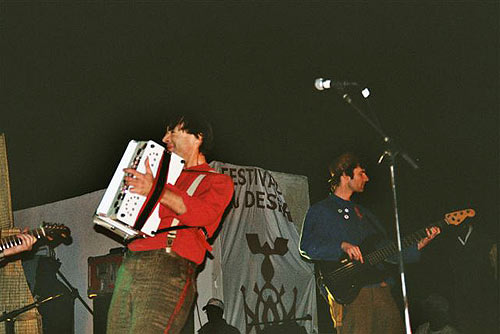
Hubert von Goisern in Mali - Januar 2005
Foto: © Bernhard Flieher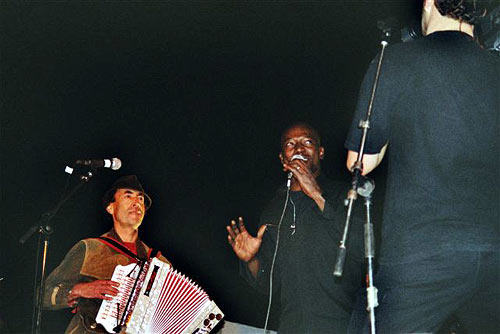
Hubert von Goisern in Mali - Januar 2005
Foto: © Bernhard Flieher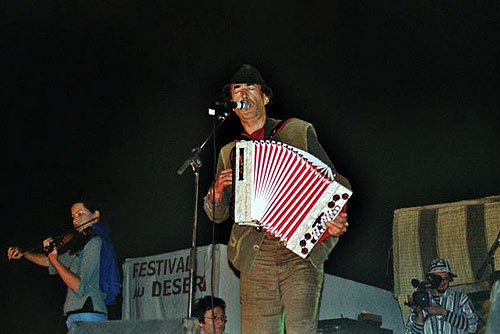
Hubert von Goisern in Mali - Januar 2005
Foto: © Bernhard Flieher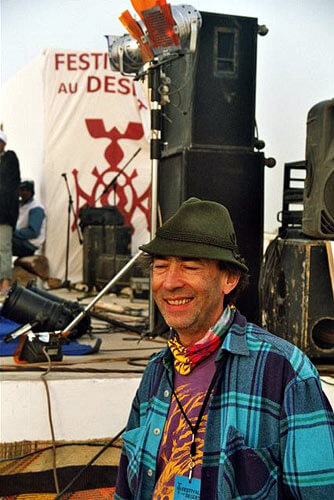
Hubert von Goisern in Mali - Januar 2005
Foto: © Bernhard Flieher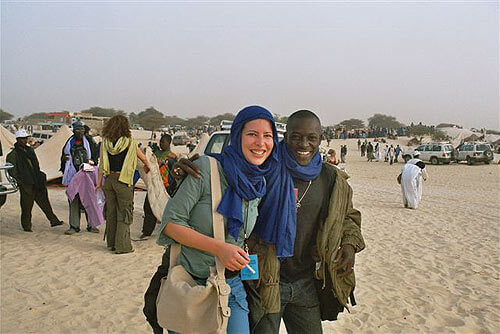
Hubert von Goisern in Mali - Januar 2005
Foto: © Bernhard Flieher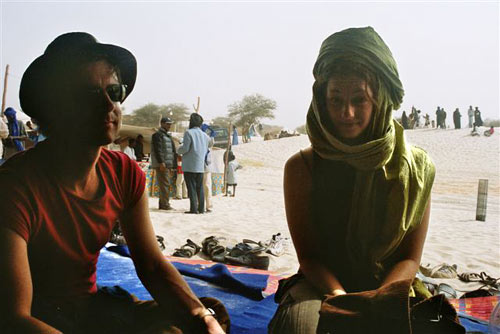
Hubert von Goisern in Mali - Januar 2005
Foto: © Bernhard Flieher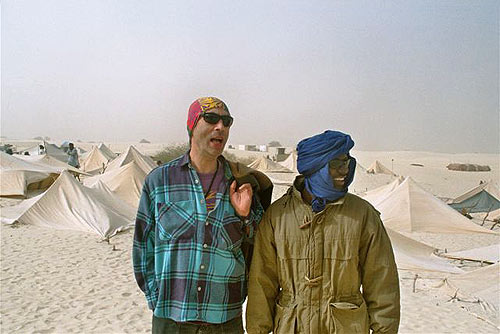
Hubert von Goisern in Mali - Januar 2005
Foto: © Bernhard Flieher
Hubert von Goisern in Mali - Januar 2005
Foto: © Bernhard Flieher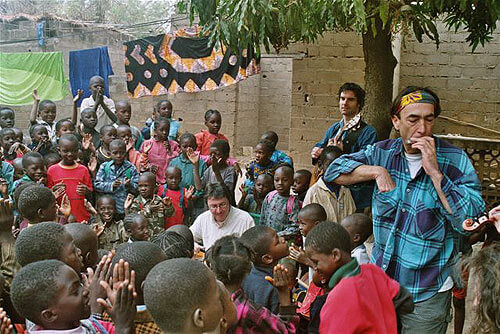
Hubert von Goisern in Mali - Januar 2005
Foto: © Bernhard Flieher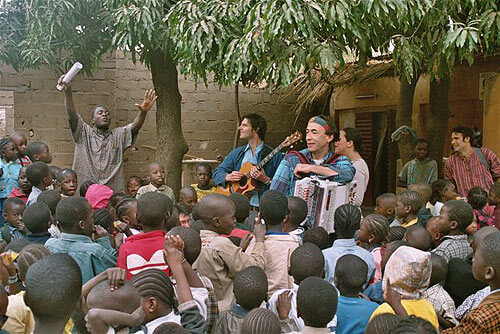
Hubert von Goisern in Mali - Januar 2005
Foto: © Bernhard Flieher
Hubert von Goisern in Mali - Januar 2005
Foto: © Bernhard Flieher
Hubert von Goisern in Mali - Januar 2005
Foto: © Bernhard Flieher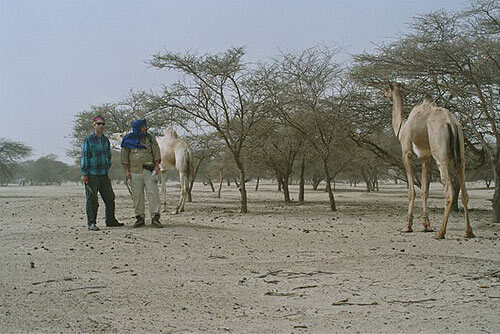
Hubert von Goisern in Mali - Januar 2005
Foto: © Bernhard Flieher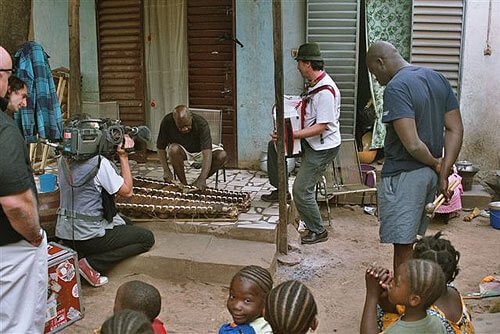
Hubert von Goisern in Mali - Januar 2005
Foto: © Bernhard Flieher
Hubert von Goisern in Mali - Januar 2005
Foto: © Bernhard Flieher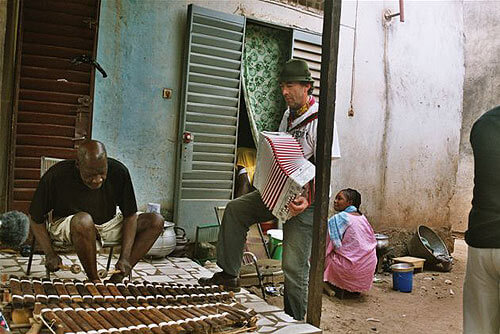
Hubert von Goisern in Mali - Januar 2005
Foto: © Bernhard Flieher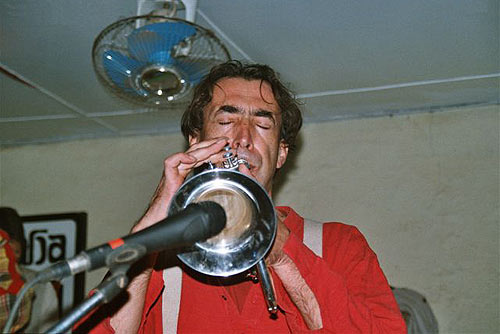
Hubert von Goisern in Mali - Januar 2005
Foto: © Bernhard Flieher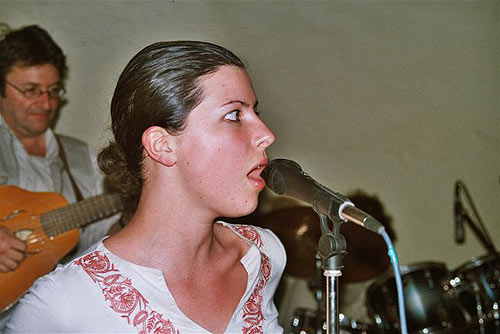
Hubert von Goisern in Mali - Januar 2005
Foto: © Bernhard Flieher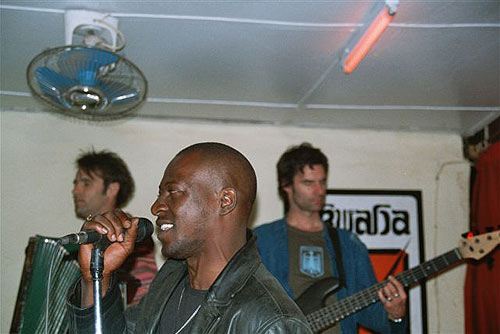
Hubert von Goisern in Mali - Januar 2005
Foto: © Bernhard Flieher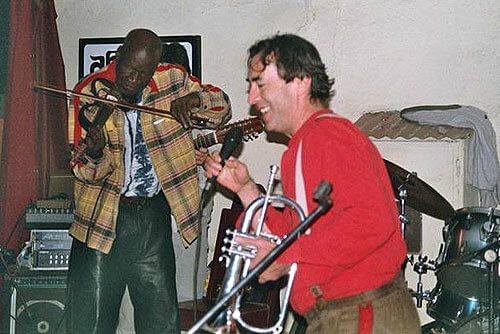
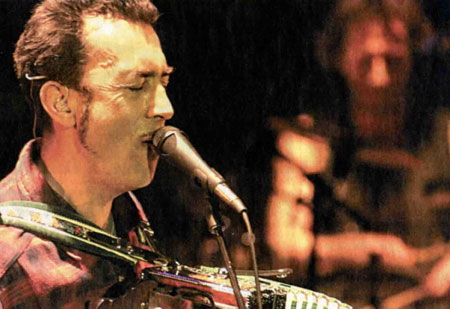
Hubert von Goisern in Mali - Januar 2005
Foto: © Bernhard FlieherHubert von Goisern in Mali - Januar 2005
Foto: © Bernhard FlieherWo die Wüste bebt
Hubert von Goisern ist unterwegs zum entferntesten
Festival der Welt:
Das "Festival au Désert" in Essakane in der Südsahara.
Bamako (SN). Malis Hauptstadt Bamako erscheint für österreichische Verhältnisse am Ende der Welt zu liegen. Aber selbst von hier geht es weiter hinaus ins Nirgendwo: "Oh, in den Norden. Das ist weit, sehr, sehr weit. Über 1000 Kilometer", sagt Lamine Seck, der sein Geld als Straßenhändler am Grande Marche in Bamako verdient. In seiner Stimme schwingen Ehrfurcht und Respekt für dieses Vorhaben. Dorthin, wo nur wenige Bewohner Bamakos jemals in ihrem Leben kommen, ist Hubert von Goisern unterwegs. Nach Essakane. Das liegt rund 70 Kilometer nördlich von Timbuktu.
Für diese 70 Kilometer braucht man etwa fünf Stunden, sagen sie in Bamako. Am kommenden Sonntag wird der Goiserer in Essakane beim "Festival au Désert" auftreten. Rund 5000 Besucher werden erwartet und das in einer Region, in der bis vor wenigen Jahren kaum jemand reisen konnte ohne die Gefahr, überfallen zu werden: Das durch das Festival in dieser Tuareg-Region die Sahara wieder lebt und bebt, hat seinen Ursprung in einer internationalen Kooperation, an der EU und UNESCO beteiligt sind.
Die Tuareg sind rund eine Million Menschen, die seit Jahrhunderten als Nomaden in der Sahara auf den Staatsgebieten von Algerien, Niger, Libyen, Marokko und Mali leben. Nach Dürrekatastrophen in den 70er und 80er Jahren litten sie unter korrupten Regierungen. Internationale Hilfe versickerte lange bevor sie in der Sahara ankam.
Musikfestival mit Kamelrennen
Die Tuareg, einst als Herren der Sahara gefürchtet, wehrten sich. Der folgende fünfjährige Bürgerkrieg dauerte bis Mitte der 90er Jahre und verwandelte die Region im Norden Malis in eine Kampfzone. 1996 versprach die Regierung in Bamako den Aufbau der Infrastruktur, und die während des Krieges untersagten "Temakannit", die traditionellen Stammestreffen, konnten wieder stattfinden. Einige Tuareg hatten die Idee mit dem Festival, bei dem es neben Musik auch einen Handwerksmarkt, Kamelrennen und Stammesrituale gibt. Und wenn sie es für Mali machen, warum nicht gleich für die ganze Welt?
In den vergangen Jahren wurden unter anderen Manu Chao, Damon Alban von Blur und Robert Plant eingeladen. Vom Festival 2003 erschien im Vorjahr eine CD und eine DVD (Harmonia Mundi/Vertrieb: Lotus Records). Beide vermitteln eine intensive Atmosphäre vom Ende der Welt und der Kraft der Musik. Vor allem die Auftritte der regionalen Stars wie Tinariwen, Tartit, Oumou Sangare oder des großen Bluesmannes Ali Farka Toure beeindrucken. Sie sind - wie andere Stars aus Mali, etwa Afel Boccum, Salife Keita und Habib Koite - jedes Jahr dabei.
Für Hubert von Goisern steht Mali seit langer Zeit auf der Agenda: Die Chance für die Reise bot sich im vergangenen Herbst. Der ORF plante eine Dokumentation über das Festival. Mit Goisern als Gast in Essakane sollte das Interesse in Österreich geweckt werden. Die Pläne der ORF-Kulturredaktion wurden aus finanziellen Gründen vereitelt.
Hubert von Goisern stellte mit seinem Münchner Management "Blankomusik" die Reise selbst auf die Beine. "Das ist eine einmalige Chance", sagt Goisern. Er wird mit der Band (Bernd Bechtloff, Arnulf Lindner, Max Laesser und Marlene Schuen) rund eine Stunde in Essakane Teile des Programms der Trad-Tour spielen. Mit diesen Volksliedern gab der Goiserer im Vorjahr rund 100 Konzerte. Es gehe aber nicht nur darum, eigene Musik zu präsentieren, sagen Lindner und Bechtloff. Es sei die Möglichkeit, die Neugier auf eine geheimnisvolle, und zumindest dem Image nach wilde, Nomadenkultur zu stillen.
Sankt Anton in der Sahara
Vom Gletscher in die Wüste: Hubert von Goiserns "Trad"-Tournee endet mit zwiespältigen Eindrücken beim "Festival au Desert" in den Sahara-Dünen.
 Mali.
Am Stadtrand, wo aus dem mythischen Städtchen Timbuktu Wüste
wird, hält der Fahrer. Er habe noch kein Benzingeld, sagt er. Das
sei schon in Bamako bezahlt worden, und zwar direkt an den Chefkoordinator
des Festivals, entgegnet ein zunehmend gereizter Hubert von Goisern.
Zwei Tage lang wurde in Bamako über Transportpreise verhandelt und
jetzt, kurz vor dem Ziel, dem "Festival au Desert" im Touaregdorf
Essakane, geht alles noch einmal von vorn los. Könne schon sein
- aber bei ihm sei das Geld nie angekommen, sagt der Fahrer. Das Feilschen
geht weiter.
Mali.
Am Stadtrand, wo aus dem mythischen Städtchen Timbuktu Wüste
wird, hält der Fahrer. Er habe noch kein Benzingeld, sagt er. Das
sei schon in Bamako bezahlt worden, und zwar direkt an den Chefkoordinator
des Festivals, entgegnet ein zunehmend gereizter Hubert von Goisern.
Zwei Tage lang wurde in Bamako über Transportpreise verhandelt und
jetzt, kurz vor dem Ziel, dem "Festival au Desert" im Touaregdorf
Essakane, geht alles noch einmal von vorn los. Könne schon sein
- aber bei ihm sei das Geld nie angekommen, sagt der Fahrer. Das Feilschen
geht weiter.
Ein "Betriebsausflug" ist die Reise. 2003 hatten am Krippenstein die Aufnahmen für Trad II begonnen, dann folgte eine ausgedehnte Tour. Im Dezember trennten sich die Wege der Truppe, die Hubert von Goisern 2004 durch eines der erfolgreichsten Jahre auf über hundert Konzerten begleitet hatte.
Für Mali rief der Goiserer noch einmal alle zusammen. Doch was
sich anhört wie der Aufbruch in ferne Musikwelten, entwickelt sich
am Schauplatz zu einem selbst für die afrikaerfahrene Truppe desillusionierenden
Abenteuer.
Die Musik rückt in den Hintergrund. Das Goisern-Konzert in der Wüste
ist wegen desolater Technik und überforderter Techniker ein "Kampfauftritt".
Selten reißen die Grenzen zwischen Wüste und Alpentälern
auf. Dann entstehen jene magischen Momente, die erhofft worden sind.
Auch einheimische Künstler stehen im Abseits. Die Bühne liegt idyllisch in den Dünen, aber einige hundert Meter weit vom eigentlichen Festivalgelände entfernt. Wie ein Fremdkörper in der fremdenverkehrstauglich dargebotenen Kultur der Touareg wirken die Auftritte.
Dass zahlreiche Einheimische begeistert vom Goiserer-Auftritt sind, hilft wenig. Ein schwacher Trost nur, dass "einen Fehler wahrscheinlich weiter bringen als Erfolge", wie Goiserer resümiert.
Immerhin ergeben sich nach der Rückkehr in die Hauptstadt einige Kontakte zu Musikern. Bei einem selbst organisierten Konzert in Bamako spielt die Goiserer-Partie mit Malis Balafon-Star Kele-Tigi.
Ausgenommen "wie ein Tourist in St. Anton"
Die Erinnerungen an die Umstände werden davon nicht ausgelöscht. "Wie ein Tourist in St. Anton ausgenommen zu werden, das gefällt mir da und dort nicht", sagt Percussionist Bernd Bechtloff.
Bei einem Interview mit dem staatlichen TV-Sender ORTM macht Hubert von Goisern ähnlich wie gegenüber der österreichischen EU-Botschafterin Irene Horejs in Mali seinem Ärger Luft. Die EU war bis zum Vorjahr auch Sponsor des Festivals. Das traditionelle Treffen der Touareg in Essakane zu belassen und "wenn überhaupt, ein Musikfestival bei Timbuktu zu veranstalten", schlägt von Goisern vor. "Dieser Ort mit seiner großen Geschichte ist eh das Ende der Welt, und weiter hinaus muss man ja nicht unbedingt vordringen."
Nach dem auf CD und DVD dokumentierten Festival 2003 wurde Essakane in Europa massiv beworben und auf Grund der Abgeschiedenheit zur geheimnisvollen Legende. Doch jeder Mythos verliert, wenn man ihm sich nähert. "Die Touareg wissen ja, wie man in der Wüste aufs Klo geht, aber die Besucher wissen es nicht", kommentiert der Goiserer die zum Himmel stinkenden sanitären Anlagen. In Anbetracht eines Eintrittspreises von 300 Euro seien Unterbringung und schäbige Versorgung "ein Witz".
Auch wird mit Künstlern geworben, die nie auftauchen. Heuer wurde Malis Blueskönig Ali Farka Touré angekündigt. Einem Journalisten erzählte er kurz vor dem Festival, dass er "nie daran gedacht" habe, nach Essakane zu kommen".
Wüstenblues unter dem Sternenhimmel
Die Organisation hat trotz steigenden Publikumsinteresse s nichts an der Infrastruktur geändert. "Dort wollen viele Leute schnelles Geld machen", sagt Foussori Traore, der dem Festival ein baldiges Ende prophezeit. Er ist Studio- und Labelbesitzer in Bamako und stellte dem Festival früher seine Tonanlage zur Verfügung.
Habib Koite, einer der international großen Stars Malis, stimmt da zu. Dennoch hat Koite die Strapazen auf sich genommen. Und mit der von ihm und Afel Boccum angeführten Mali-Supergroup Desert Blues erlebt das Festival zumindest einen eindrucksvollen Abschluss. Der spröde Blues unter dem Sternenhimmel lässt für ein paar Augenblicke glauben, dass alles gut werden könnte. Am nächsten Morgen muss neuerlich über den Preis für die längst bezahlte Rückfahrt aus der Wüste gefeilscht werden.
Himmel über dem Gletschersand
Zwischen bremsender Organisation und aus Frust genährtem Tatendrang: Hubert von Goisern erlebt mit seiner Band in Mali den freien Fall von übermächtigen Erwartungshaltungen und die befreiende Glückseligkeit spontaner Begegnungen.
Wolfgang Spannberger dreht der Bühne den Rücken zu und schaut in die weißen Dünen. Seine müden Augen fragen: "Was mache ich hier?" Er soll das Konzert von Hubert von Goisern beim Festival au Désert in Essakane in Nordmali klingen lassen - so perfekt wie möglich, wenn es nach ihm geht. Die Kluft zwischen gerechtfertigtem Anspruch, verdientem Respekt und unerwartet ernüchternder Wirklichkeit knistert, knarzt und schnalzt während des einstündigen Auftritts aus allen Boxen.
Spannberger, seit Jahren von Goiserns Koproduzent und akribischer Meister der Tontechnik, dreht und schraubt an den Mischpultknöpfen, um schwitzend den Schaden zu begrenzen. Aber hier passt nichts zusammen. "Vor lauter Konzentrieren, wo im Lied wir gerade sind, und der Mühe, das alles zusammenzuhalten, konnte ich hier nichts genießen", sagt Hubert von Goisern. Er sitzt ein paar Stunden nach dem Auftritt in der kalten Sahara-Nacht vor dem Zelt, in dem er mit seiner Band untergebracht ist. Ein paar Tuareg und ein paar Touristen aus Bayern und der Schweiz kommen vorbei und sagen, es sei wunderbar gewesen. Perkussionist Bernd Bechtloff sagt, es sei ein "Kampfauftritt" gewesen. Auch ein zweites und ein drittes Castel, wie das lokale Bier heißt, helfen nichts. Müdigkeit, Erschöpfung und die Enttäuschung über die desolaten organisatorischen Umstände, unter denen hier gespielt werden musste, mischen sich zu leicht depressiver Stimmung.
Der klare Sternenhimmel über der Wüste, Inbegriff der Ferne, nach der man sich zu Hause sehnt und die Abenteuer und neue Einsichten verspricht, hilft nichts. Die windige Weite, die sanfte Gelassenheit der Dünen und der Gedanke, dass hinter all dem Sand in ein paar Tausend Kilometern Entfernung erst das Mittelmeer Abwechslung bringt, helfen auch nichts. Das Ende einer langen Tournee war wegen der Möglichkeit zur Annäherung an die Kultur des Nomadenvolks der Tuareg eine soziologisch interessante Studienfahrt. Künstlerisch war nichts so gelaufen wie es sich Hubert von Goisern und seine Band erhofft haben.
Der gleiche Sand wie auf dem Dachsteingletscher
Vor zwei Jahren hat der Goiserer dieselbe Truppe - Bernd Bechtloff, Arnulf Lindner, Max Lässer und Marlene Schuen - auf den Dachsteingletscher geholt. Wenn der Wind von Afrika in den Norden bläst, trägt er den Saharasand bis auf diesen Gletscher. Dann schimmert der Schnee rötlich. Im verlassenen Berghotel auf dem Krippenstein nahmen sie Trad II auf, das zweite Goisern-Album, auf dem er mit seinen Versionen alte Volkslieder aus dem Salzkammergut in die Gegenwart holt.
Das Gastspiel beim Festival au Désert wurde der Abschluss einer auf dem Gletscher begonnenen Reise. Auf der Trad-Tournee spielten von Goisern und Band im vergangenen Jahr rund 100 Konzerte. Es war die erfolgreichste Tournee nach der Alpinkatzen-Zeit in den frühen 90er Jahren.
Mit einer Band, die seine Ideen traumwandlerisch verstand und mit der er musikalisch die Quintessenz seines bisherigen Schaffens erschuf, wollte er in der Wüste zeigen, was unter alpiner Weltmusik zu verstehen ist. "Du brauchst ein Gerüst, wenn du mit Band unterwegs bist", sagt der Goiserer über die Notwendigkeit einer Organisation - und er sagt es auch über die Abhängigkeit von einer funktionierenden Organisation vor Ort. Dieses "Organisieren" und dieses "Gerüst" freilich stehen der Idee des spontanen Zusammentreffens, des Verweilens und Schauens entgegen. Wer allein reist beschleunigt oder verlangsamt sein Tempo nach Belieben. Wer einen Auftrag hat, muss ihn erfüllen - oder klein beigeben. Oder hoffen. Oder sich durch alle Widrigkeiten beißen. Trotz einer Einladung zum Festival au Désert musste vor Ort um längst ausverhandelte Unterbringungs- und Transportkosten wieder und wieder gefeilscht werden. Beim Festival wurde - wie sich herausstellte - mit Namen geworben, die niemals kommen wollten - etwa mit dem großen Bluesmann Ali Farka Touré und der US-Jazzdiva Dee Dee Bridgewater.
"Womöglich sind es ja unsere Erwartungshaltungen, die der Fehler sind", sagt von Goisern in der Bar des Hotel Relais nach der Rückkehr nach Bamako. Es ist seine neunte Reise nach Afrika und er meint, "dass ich eigentlich wissen müsste, was auf mich zu kommt".
Der Mythos eines Festivals mitten in der Wüste im Herrschaftsbereich einer geheimnisvollen Nomadenkultur, die Hoffnung, sich mit gleichgesinnt Reisenden, mit Suchenden auseinander setzen zu können - das zusammen lässt Traum und Realität auch beim Wissenden verschmelzen. Die Abgeschiedenheit macht Essakane als Festivalort, aus europäischer Ferne betrachtet, zur Legende. Doch jeder Mythos verliert Strahlkraft, wenn man sich ihm nähert. "Der Mythos ist sehr oft der Feind der Wahrheit", sagte John F. Kennedy.
Mali stand lange schon auf der Agenda des Goiserers. Und mit der Länge einer Idee wachsen die Erwartungshaltungen. "Vielleicht sind wirklich die das Problem", sagt er noch einmal. Dass die Enttäuschung schon bei der Rückkehr aus der Wüste auf dem Flugplatz in Bamako nachgelassen hat, ist in diesem Moment nicht zu bemerken.
Musikalische Reise in einen Hinterhof
Auf dem Flug zurück aus der Wüste waren auch Musiker aus Mali an Bord. "Zurück in der Zivilisation. Herrlich", sagt Abdoul Wahab Berthé in der Ankunftshalle. Er spielt Bass für Habib Koite, einen der Stars in Mali. Wenn die das so sehen, kann es nicht westliche Überheblichkeit sein, die die Verärgerung ausgemacht hat. "Das kann's nicht gewesen sein", sagt der Goiserer und aus dem Ärger wird Tatendrang. Kein Wunder bei einem, der sich als "unverbesserlichen Optimisten" bezeichnet.
Was an sporadischen Kontakten am Rand des Festivals entstand, soll in den verbleibenden Tagen in Bamako zumindest noch die eine oder andere musikalische Begegnung ermöglichen.
Am nächsten Tag kurvt der österreichische Honorarkonsul Peter Klein durch ein Wohnviertel südlich des Stadtzentrums. Wir fragen uns durch und landen in einem Hinterhof. Es riecht nach Ruß und gekochtem Reis. Durch den Besuch bei Kele Tigi, den sie hier in Mali nur "Maestro" nennen, weil er virtuos wie kaum ein anderer das Balafon beherrscht, dreht sich der Wind, der diese Reise bisher so hart herumgewirbelt hat.
Zwei, die sich mögen: Balafon und "Zugin"
Der Goiserer quetscht einen "Steirer" aus der Ziehharmonika. Kele Tigi lauscht, nimmt seine Balafonschlägel und steigt ein. Der weiche Sound aus dem schroffen Gebirgstal und der hallende Balafonklang mischen sich wie selbstverständlich. Einen Tag später schaut Kele Tigi auch bei einem spontan organisierten Konzert (das der wahre, würdige Abschluss der Trad-Tournee wurde) im Club Akwaba vorbei. Eingefädelt wurde auch ein Auftritt in einer Grundschule gleich beim Hotel ums Eck. Dort löst sich jede Spannung. 200 Schulkinder haben an diesem Vormittag für eine Stunde ein neues Unterrichtsfach: Österreicher schauen und alpine Weltmusik hören. Die Band verschwindet hinter einer Wand jubelnder Kinder. Alle lächeln. Und als alles schon gelaufen scheint, die Koffer gepackt sind und sich der Frust aus der Wüste gelöst hat, versäumt die Goiserer-Truppe fast den Rückflug. Beim Abschiedsabendessen im Café Thierry betört die Band des Ngoni-Spielers Basekou Kouyate, einem Mitglied in der Band von Ali Farka Touré, mit Wüstenblues. Hubert von Goisern geht auf die Bühne, improvisiert und packt die Ziehharmonika aus. "Wir müssen jetzt wirklich zum Flugplatz", sagt der Honorarkonsul. Mit einem Nicken verabschiedet sich die Band. In diesem Nicken liegt aller Respekt, den man haben kann, wenn einem Großes passiert ist. "Ich komme wieder", sagt der Goiserer und steckt Kouyates Visitenkarte ein.